
The Medill Online IMC Curriculum
A Deep Dive Into Consumer Understanding
Earn the degree that immerses you in consumer insights and human connection. Develop your expertise through hands-on experience, with guidance from marketing leaders at top companies. By completing your studies online, you will gain a comprehensive understanding of integrated marketing communications on your schedule, from anywhere in the world.
At Medill, you have the opportunity to tailor your coursework to your goals and interests by choosing 10 electives in your 13-course program. We continually update our curriculum to adapt to the rapidly changing marketing communications marketplace, so you will always be on top of the latest innovations in the field; including a set of AI courses for marketing professionals you can take together as a concentration.
Program Details
- Designed for the working professional
- Three years of post-graduate work experience is required
- 13 units: Three core courses, 10 electives
- Four quarters per year
- Program can be completed in less than two years
- NEW: AI-focused elective pathway
- Live online program
- Optional, in-person immersive elective courses
- Every online course holds one two-hour, synchronous session each week
- Two opportunities to start per year: January and September
- A STEM-designated program
Online Marketing Courses Built for the Digital Landscape
The digital marketing landscape evolves rapidly, and our curriculum evolves with it. IMC Professional program courses are strategically designed to address the most pressing trends shaping the industry—from artificial intelligence and marketing automation to data analytics and emerging social platforms.
Every course bridges the gap between theory and practice, ensuring you gain not just knowledge, but immediately applicable skills. You’ll develop actual campaign strategies and solve authentic business challenges that mirror what you’ll encounter in your career. This hands-on approach means you’re not simply learning about digital marketing—you’re actively doing it.
Our courses prepare you to:
- Navigate complex digital ecosystems with confidence and strategic insight
- Leverage emerging technologies to drive measurable business results
- Adapt quickly to new platforms, tools and consumer behaviors
- Make data-informed decisions that enhance campaign performance
- Lead digital transformation initiatives within your organization
Whether you’re looking to accelerate your current career or pivot into a new marketing role, our curriculum provides the practical expertise employers are actively seeking in today’s competitive marketplace.
Core Courses (1 unit each)
Financial Accounting
IMC Strategic Process
Marketing Research
Electives (1 unit each; choose 10)
Elective course options are subject to change.
Advanced Brand Management
B2B Marketing: A Consumer-Centric Approach
Finally, students will gain analytical skills to determine what is working and how to use data to improve marketing effectiveness. This course mixes strategy with practical applications to solve B2B marketing problems. Students learn by analyzing real-world data sets and by using an industry-leading CRM tool in class. More importantly, the course is designed to help students succeed in B2B marketing by taking a customer-centric and strategic approach.
Brand Communications Decisions
Building Brand Advocacy
Students will learn how some brands deliberately transcend transactional relationships and not only get consumers to buy, but to buy in. Students will learn eight proven “cult brand principles” uncovered from more than 10 years of primary research. Students will explore how some marketers are reaping enviable benefits associated with earning heightened brand advocacy. In addition, explore why new leaders beyond the CMO (such as chief experience officers, chief customer officers and chief growth officers) are being given broader responsibilities for products, services and branded interactions. This course teaches vital marketing skills beyond traditional customer research, optimizing media channels, producing content marketing or crafting promotional campaigns. This course examines executives’ growing desire for businesses to be used as a force for good, how and why the customer experience must become central to a firm's competitive advantage and why branding is more important than ever (and more inclusive of purpose and culture).
Change Management
Consumer Insight
Content Strategy
Crisis Communications
Culture and Inclusion in Marketing
Customer Value Innovation
Digital Marketing, Media and Innovation
Digital Marketing Activation
Students gain a better understanding of search engine optimization, paid search, web analytics, programmatic as well as many different aspects of content and social media marketing. The course provides hands-on opportunities for students to work in small teams and craft a digital marketing plan. This course is suitable for marketers of consumer goods as well as business-to-business products and services.
IMC Law, Ethics and Technology
- The First Amendment and its protection of commercial speech, the legal basis for marketing communications
- The U.S. legal system and its relevant statutory, administrative and case law
- Contracts
- Intellectual property, including copyright and trademark law
- Privacy, as it pertains to the collection, aggregation, sale and use of personal data
- Ethics, as there is significant overlap between law and ethics when it comes to making good business and policy decisions
Creator Marketing and Commerce Media
Through a blend of theory, case studies, and hands-on exercises, students will gain expertise in creator discovery, content co-creation, media amplification, and ROI measurement. The course culminates in a final assignment whereby each student develops a comprehensive Creator Marketing and Commerce Media plan for a brand or business, integrating all elements of the curriculum into a strategic, actionable proposal.
Leadership and Organizational Communications
You will also explore key concepts around change management, company purpose, and organizational culture. Emphasis will be placed on the role of the internal communications strategist and building advisory, data assessment, measurement, and influence skills.
By the end of the course, students will have a strong understanding of the role strategic communications plays in creating vibrant workplaces and dynamic brands. You will also have an understanding of how to best leverage your own unique leadership voice and style.
Leadership Strategies
Students use readings, role-playing and discussion to improve their experience with managing and overseeing talent, organization, economics and finance, accountability and business planning. The course will help students learn to communicate ideas, become self-aware of areas of development, participate effectively in organizations, develop business acumen and create and evaluate growth plans for businesses.
Managing Digital Products and Technologies
Two defining characteristics of the technology industry are its dynamic nature and the interconnected nature of technology products and services. This results in a continuous need for new products, and for managing all aspects of discovering, designing, developing, supporting and monetizing innovations. In technology companies, the product management organization is responsible for the “inbound” product development activities as well as “outbound” product marketing activities: discovering customer needs, defining product requirements, orchestrating the development of products and solutions to address these needs, taking new products to market and managing products over their life cycle. In a technology startup, a product manager is often a co-founder of the firm. Larger technology firms have specialized product/tech organizations consisting of various types of roles, including product managers and their core cross-functional teams—product marketing managers, program managers/scrum masters, engineers, UX/UI designers and content strategists, and data scientists.
This course brings digital and software product management framework and knowledge, as well as cutting-edge industry cases together. Students will gain hands-on experience building a real product from the concept all the way to an actionable plan with detailed feature requirements that’s ready to be coded, marketed and funded.
Marketing in the Age of AI
Marketing Metrics
Marketing Strategy
Segmentation and Lifetime Value
Shopper Marketing
- The difference between “consumers” and “shoppers” and how to uncover unique insights that can be used to drive the most successful Shopper Marketing programs
- How to identify how best to manage the conflicting interests of retailers and manufacturers as they attempt to market to their shared target audiences
- Best practices for the various in-store, near-store and online tactics that are used by today’s leading Shopper Marketers
- Metrics used to assess program success
- How Shopper Marketing organizations are integrating their efforts with their overall marketing mix and how retailers are working with manufacturers to develop successful shopper programs
- The tools and understanding needed to develop and execute a comprehensive Shopper Marketing program
Social Commerce Strategy
Students gain hands-on experience with analytic and marketing software research and develop social media marketing. To develop proficiency and expertise with the social business model, they conclude the course with a team project for developing actual social and integrated marketing programs for sponsoring companies.
Strategic Creativity
- Analyze data to uncover insights that inspire creative ideas
- Apply a creative process for strategic idea generation that results in strategies, ideas, programs and/or big thinking concepts that creatively address a business problem and are substantiated in data insights
- Identify and classify dimension and scale of creative concepts and ideas as it relates to business problem-solving
- Evaluate and validate ideas/concepts against strategic business alignment, consumer insight alignment and potential to drive business outcomes
- Utilize data to strengthen creative courage and sell-in ideas
- Inspire creativity in others
Immersive Courses (1 unit each)
Taught in cities all over the world, immersive courses provide in-person learning opportunities within this live online program.
Circular Economy and Sustainability
This course will expose students to the challenges and opportunities organizations face in developing and maintaining sustainable global operations. The course will particularly focus on how marketing leaders use data and metrics for communicating the value of their ESG efforts to various internal and external stakeholders. Students will have the opportunity to understand important frameworks such as the U.N.’s Sustainable Development Goals and learn how organizations in developed and emerging markets are driving change in their respective industries.
Design Thinking
In doing this, you will:
- Learn and apply the tools, mindsets and modes of design thinking
- Gain a better understanding of customer experiences and develop deeper customer insights
- Gain practical knowledge that's immediately applicable for driving innovation in your own companies
Digital Leadership
Global Perspectives — London
Integrating Sustainability in Brand Management
Introduction to MarTech
Introduction to MarTech introduces students to the opportunities and challenges of using these marketing technologies. The opportunities range from targeting the right audiences to personalizing messaging to leveraging new digital technologies to effectively managing complex multi-channel marketing campaigns. The challenges include the gap between how marketers think of their problems and how technology providers describe their solutions and then selecting the best solutions.
Students will learn how marketing executives decide which technologies are right for addressing their marketing problems. This course is meant to be introductory in nature, but should be useful for students who may work with a subset of marketing technologies but feel like their knowledge is primarily operational and/or focused on very specific technology applications. The course will equip students to ask insightful questions and have informed discussions with marketing and IT colleagues and vendors. Specific components of the course include the marketing technology landscape, the marketing technology stack, marketing technology competencies that matter, and the future of marketing technologies.
AI Marketing Courses in the IMC Curriculum (1 unit each)
Marketers are now expected to lead AI initiatives, not just use the technology. The IMC Professional program’s AI marketing courses equip working professionals to apply generative AI to campaigns, analytics and content choices, and to confidently present those decisions to leadership.
Take these electives individually, or take them together to concentrate your degree in AI.
Marketing in the Age of AI
Digital Marketing Activation
Students gain a better understanding of search engine optimization, paid search, web analytics, programmatic as well as many different aspects of content and social media marketing. The course provides hands-on opportunities for students to work in small teams and craft a digital marketing plan. This course is suitable for marketers of consumer goods as well as business-to-business products and services.
Digital Marketing and Media Innovation
The course will also cover theories related to marketing and innovation management as the cornerstone for developing and implementing strategies that retain existing customers and acquire new ones within an increasingly complex web of marketing communications. In addition, students will also be provided with a more tactical introduction to new and emerging digital channels, platforms and technologies that are driving innovation in virtually every aspect of marketing, including social and mobile. The course will include interactive workshops and guest lectures from digital marketing leaders of global brands and innovative technologies.
Managing Digital and Tech Products in the AI Era
Two defining characteristics of the technology industry are its dynamic nature and the interconnected nature of technology products and services. This results in a continuous need for new products, and for managing all aspects of discovering, designing, developing, supporting and monetizing innovations. In technology companies, the product management organization is responsible for the “inbound” product development activities as well as “outbound” product marketing activities: discovering customer needs, defining product requirements, orchestrating the development of products and solutions to address these needs, taking new products to market and managing products over their life cycle. In a technology startup, a product manager is often a co-founder of the firm. Larger technology firms have specialized product/tech organizations consisting of various types of roles, including product managers and their core cross-functional teams—product marketing managers, program managers/scrum masters, engineers, UX/UI designers and content strategists, and data scientists.
This course brings digital and software product management framework and knowledge, as well as cutting-edge industry cases together. Students will gain hands-on experience, building a real product from the concept all the way to an actionable plan with detailed feature requirements that’s ready to be coded, marketed and funded.
Digital Leadership (Chicago Immersive)
MarTech Applications in the AI Era (Paris Immersive)
Expert Faculty Leading Course Development
Learn from practitioners who are shaping the industry. Our faculty brings an exceptional blend of academic rigor and real-world marketing expertise, with instructors who have led initiatives at Fortune 500 companies, innovative startups and leading agencies worldwide.
Each member of our teaching team holds advanced degrees from top-tier institutions and maintains active involvement in the marketing profession. They're not teaching from outdated textbooks—they’re sharing current strategies, emerging best practices and lessons learned from campaigns they've personally led or consulted on.
Our curriculum stays ahead of industry shifts through strategic partnerships with major marketing platforms, technology providers and professional organizations. These collaborations ensure you’re learning with the latest tools and frameworks that leading companies are implementing right now.
When you learn from Northwestern IMC Professional program faculty, you gain access to a network of experts who are invested in your success—both during the program and throughout your career.
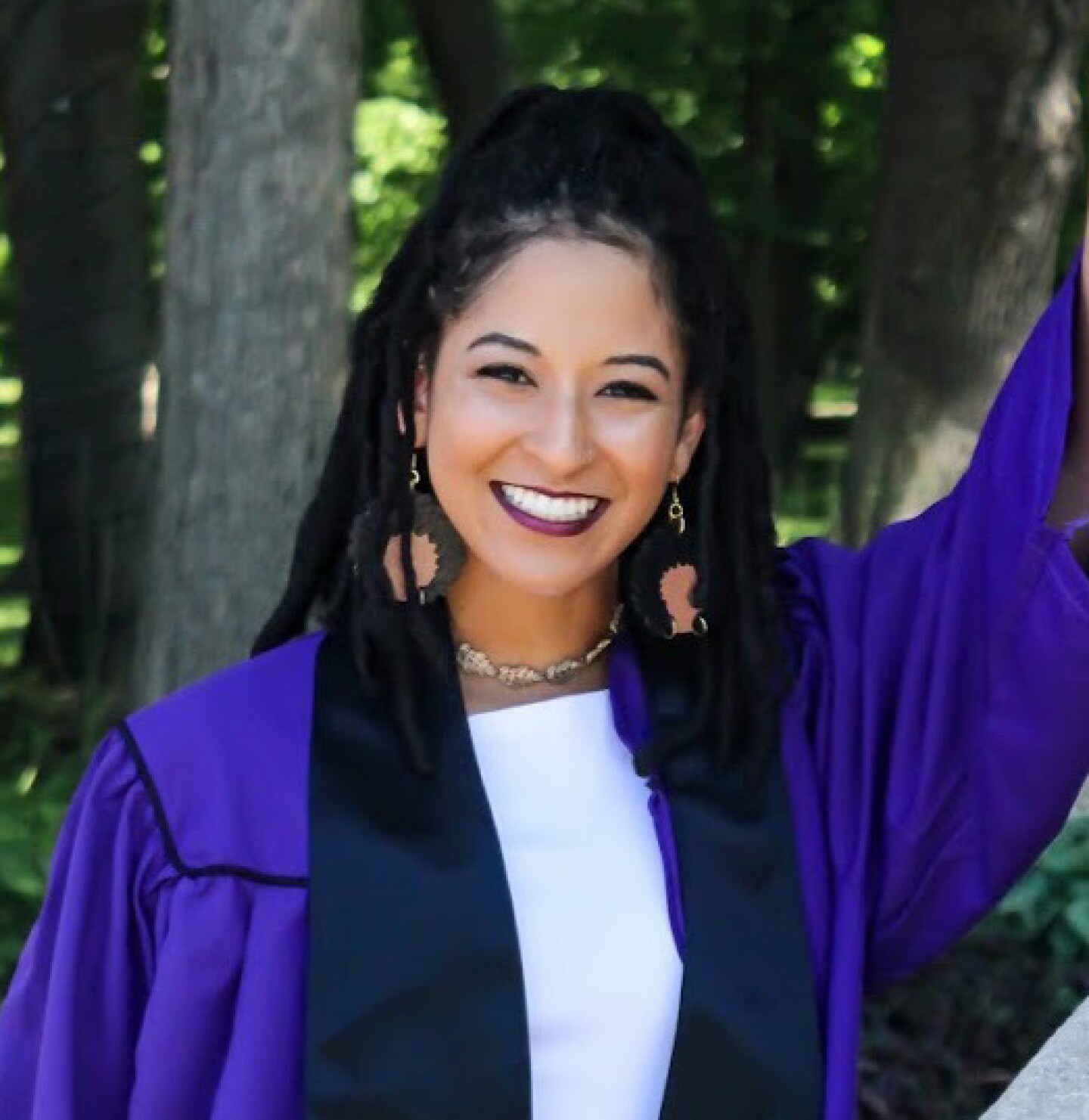
Kandise L., IMC25 — Senior Assistant Director, International Admission and Financial Aid, Northwestern University
Marketing Curriculum Designed for Working Professionals
We understand that advancing your education should not mean putting your career on hold. Northwestern’s IMC Professional program is purposefully structured to fit the realities of your professional life while delivering the comprehensive education you need to excel.
The curriculum’s modular structure empowers you to customize your learning journey. Select from immersive courses that align with your career objectives and interests—whether you’re focused on brand strategy, digital analytics, content marketing or integrated campaign management. Each course builds upon core IMC principles while allowing you to develop specialized expertise in areas most relevant to your professional aspirations.
Collaborate with fellow marketing professionals from diverse industries and career stages to create a rich learning environment where classroom discussions reflect real business challenges. This peer network becomes an invaluable resource for perspectives, problem-solving and professional connections that extend well beyond graduation.
Frequently Asked Questions
What courses are offered in the IMC Professional program?
Explore the Curriculum
In addition to online coursework, Medill offers immersive courses held in cities around the world. These week-long, in-person courses provide the chance to engage deeply with industry leaders, faculty, and peers while earning credit toward your degree. Recent immersive courses include Design Thinking in San Francisco, Global Perspectives in London and Integrating Sustainability in Brand Management in Chile.
By participating in immersive courses, you’ll build lasting connections and develop skills that are crucial to the rapidly changing marketing landscape.
Explore the Immersive Courses
What is the Medill IMC Professional program structure?
What technical and digital skills are included in the courses?
In more specialized courses like Marketing Metrics, students develop proficiency in digital analytics tools for tracking performance across platforms such as web, email and mobile. The program emphasizes the use of tools for data collection, tagging and surveying, ensuring that students can apply these skills to real-world marketing strategies. Additionally, they explore cutting-edge trends in big data, algorithmic targeting and content personalization—all pivotal in the era of real-time marketing.
Are you a working professional looking to take your career to the next level?
Earn your master’s live online with the option for on-site experiences through Northwestern University. Our MS in Integrated Marketing Communications Professional program, offered through the Medill School of Journalism, Media, Integrated Marketing Communications, helps you build your expertise in consumer understanding through a rigorous and immersive curriculum.
Complete the form to download a program brochure for more information on the IMC Professional program.
This program is for marketers with three or more years of professional experience.